What we do at
Switch Mentoring. 
Switch Mentoring is a specialist educational support service
operating across Bristol, Bath, South Glos & North Somerset
We partner with primary and secondary schools to provide targeted mentoring programmes for children who are finding it challenging to access and thrive within mainstream educational environments.
Our
approach
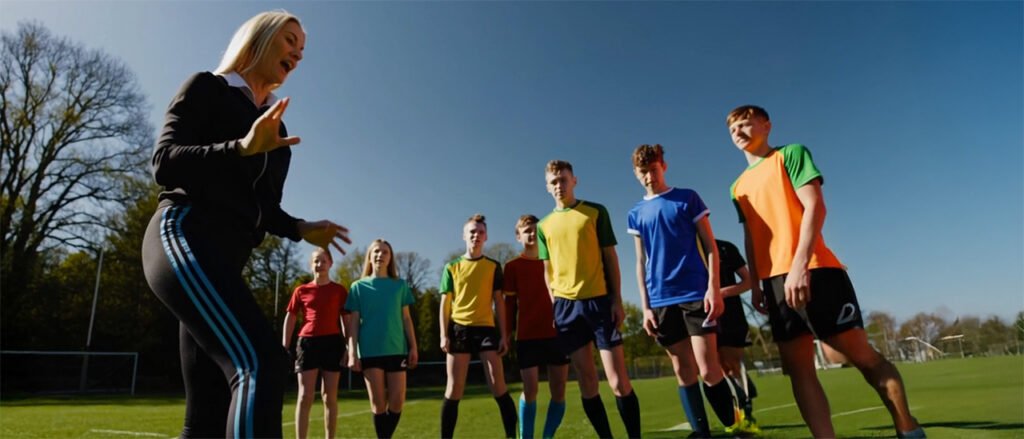
Using sport as our primary vehicle for engagement, we create meaningful connections with young people that go beyond traditional classroom boundaries. Our experienced mentors work both one-to-one and in small groups, delivering programmes either on-site at schools or at off-site locations, depending on what works best for each individual child.
The power of sport in mentoring
Sport provides a unique and powerful foundation for mentoring relationships that traditional classroom-based interventions often cannot achieve.
Physical activity releases endorphins that naturally improve mood and reduce stress, creating an optimal emotional state for learning and personal development.
The shared experience of sporting activities breaks down barriers between mentor and mentee, fostering genuine connections based on mutual respect and shared achievement.
Building Life Skills Through Sport
Sport naturally teaches essential life skills that transfer directly to educational and personal success.
Through participation, young people:
- Learn resilience through facing challenges and setbacks
- Develop teamwork and communication skills
- Practise goal-setting and achievement
- Build self-discipline and commitment
The immediate, tangible nature of sporting progress gives young people concrete evidence of their capabilities, boosting self-confidence in ways that can transform their approach to academic and social challenges.
Creating Safe Spaces for Growth
The sport environment provides a non-threatening context where young people can practise new behaviours, take healthy risks, and experience success without the academic pressure that may have previously caused them stress.
Physical activity also serves as a natural outlet for frustration, anger, or anxiety, allowing mentors to address underlying emotional issues while students are in a more receptive, regulated state.

Engagement and Motivation
For many young people who struggle in traditional educational settings, sport offers an immediate sense of enjoyment and achievement that can reignite their passion for learning and personal development.
The physical nature of sport engages different learning styles, particularly benefiting kinesthetic learners who may have felt excluded by purely academic approaches.
This engagement becomes the gateway to addressing deeper educational and personal challenges.
“The shared experience of sport breaks down barriers between mentor and mentee, fostering genuine connections built on respect and achievement.”

Matt Sheppard
Founder and Director at Switch Mentoring

The impact of mentoring on educational engagement
Research consistently demonstrates that effective mentoring programmes create transformational changes in young people’s relationship with education across three critical areas:
1) Attendance and engagement
Mentoring addresses the root causes of poor attendance by building positive relationships that give young people a reason to engage with their learning environment.
When students feel connected to a trusted adult who believes in their potential, they:
- Develop intrinsic motivation to participate
- Build a sense of belonging within their school community
- Re-engage with education through consistent encouragement and trust
This personal connection often becomes the bridge that helps reluctant learners re-engage with education, leading to improved attendance rates and more active participation in school life.

2) Mental health and wellbeing
The consistent, non-judgmental support that mentoring provides creates a safe space for young people to express concerns, develop coping strategies, and build resilience.
Through regular interaction with a positive role model, students:
- Develop better emotional regulation skills
- Increase self-esteem
- Experience reduced anxiety about academic and social challenges
This improved mental health foundation enables them to approach learning with greater confidence and openness.
3) Academic achievement and life skills
While not directly academic, mentoring develops the underlying skills essential for educational success, including:
- Goal-setting
- Problem-solving
- Communication
- Perseverance
Young people learn to see challenges as opportunities for growth rather than insurmountable obstacles. The relationship with a mentor helps students develop a growth mindset, understand their own learning styles, and build the social and emotional skills that underpin academic progress.
Supporting NeuroDiversity and SEMH
Mentoring is particularly powerful for students with neuro-diverse conditions (ADHD, autism, dyslexia) and Social, Emotional and Mental Health (SEMH) needs.
The individualized, patient approach allows mentors to work with each young person’s unique processing style and emotional needs.
For neuro-diverse students, mentoring provides:
- Consistent routine
- Clear communication
- Celebration of their particular strengths rather than focus on deficits
For those with SEMH conditions, mentoring offers:
- Emotional co-regulation
- Practical coping strategies
- A safe space to practise social skills without judgement
The non-academic, sport-based environment reduces pressure while building confidence, allowing these students to experience success and develop positive associations with learning and achievement.
Conditions that benefit from mentoring support
Our mentoring programmes are particularly effective for students experiencing:
- Anxiety and panic disorders
- School phobia and fear of attendance
- Persistent truancy and school avoidance
- Anger management difficulties
- Aggressive behaviours and outbursts
- Temper control issues
- Low self-esteem and confidence problems
- Social isolation and peer relationship difficulties
- Grief and bereavement issues
- Family breakdown and domestic instability
- Bullying (both as victim and perpetrator)
- Attachment disorders
- Depression and mood regulation challenges
- Self-harm behaviours
- Attention and concentration difficulties
- Disruptive classroom behaviours
- Emotional dysregulation
- Trauma responses
- Difficulties with authority figures
The consistent, non-judgemental relationship that mentoring provides creates a foundation for addressing these challenges in a supportive, strength-based environment.
Long-term educational outcomes
Mentoring creates lasting change by helping young people develop a positive identity as learners.
This shift in self-perception often leads to:
- Improved behaviour
- Better peer relationships
- A willingness to engage with educational opportunities that previously seemed inaccessible
The ripple effects extend far beyond the immediate mentoring relationship, creating foundations for lifelong learning and personal development.
“When students feel connected to a trusted adult who believes in their potential, they develop the motivation to re-engage with education.”
Matt Sheppard
Founder and Director at Switch Mentoring
